

AI Scams Are On The Rise: How Criminals Can clone Your Voice And Your Face to Steal Your Money
Cybercriminals are already using artificial intelligence to clone voices and create fake video calls capable of deceiving even experienced users.
AI-driven scams are growing at an unprecedented rate and already allow criminals to clone voices, generate fake faces, and carry out real-time deepfake video calls to deceive victims and steal money. Cybersecurity experts, such as ESET, warn that these tools—once limited to tech labs—can now be used with free applications and just a few seconds of audio.
One of the authorities’ biggest concerns is how easily anyone’s identity can now be impersonated. A voice message sent via WhatsApp, a video posted on social media, or a recorded phone call may be enough to train systems capable of imitating a person’s voice with high accuracy.
The phenomenon is already causing multimillion-dollar losses worldwide. Security companies report a sharp increase in fraud linked to AI-generated content, while international organizations like Interpol warn that criminal networks are using these tools to multiply their attacks.
How AI voice cloning works
Voice cloning has become one of the most widely used techniques among cybercriminals. Current systems require only a few seconds of recording to recreate a person’s tone, speed, pauses, and even their verbal habits.
The result can be extremely convincing. A victim might receive a call that appears to come from a family member, a friend, or even a boss requesting urgent money or sensitive information.
The level of sophistication has reached worrying heights because many models operate in real time. This allows the system to answer questions, improvise conversations, and adapt emotional tone during the call.
Antivirus specialists explain that the combination of artificial intelligence and emotional manipulation is turning these scams into one of today’s biggest digital threats.
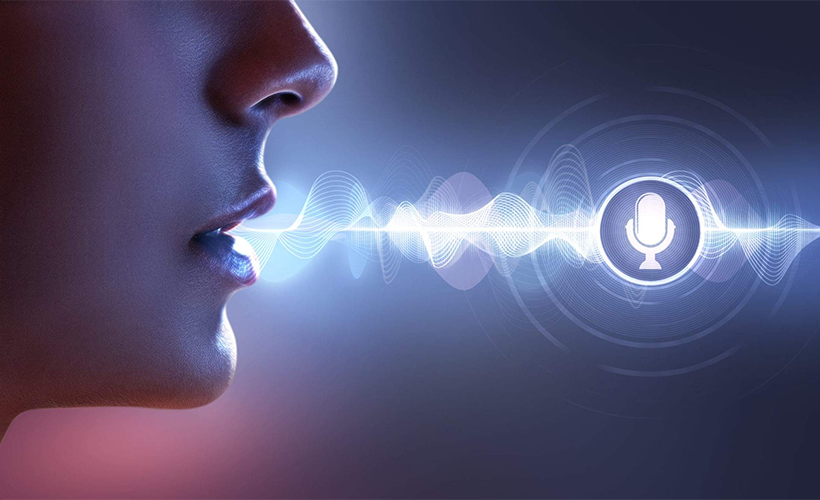
Voice cloning has become one of the most widely used techniques among cybercriminals. Current systems require only a few seconds of recording to recreate a person’s tone, speed, pauses, and even their verbal habits.
Deepfakes are already used in video calls
The threat is not limited to audio. AI-generated deepfake videos have also grown rapidly in recent years. Cybersecurity companies reported that incidents involving fake videos increased sharply in 2025, driven by increasingly accessible and easy-to-use tools.
One of the most striking cases occurred in Hong Kong. An employee at the engineering firm Arup joined a video call in which he believed he was speaking with real company executives, including the chief financial officer.
However, all the people on screen were AI-generated recreations. After receiving seemingly legitimate instructions, the employee authorized multimillion-dollar transfers before discovering he had been scammed.
The case showed that deepfakes are no longer simple edited videos, but systems capable of simulating facial expressions, movements, and live conversations.
Romance scams have also evolved
Another crime significantly transformed by AI is romance fraud. Specialists refer to this new form as “pig butchering 2.0”, an evolution of traditional romance scams used to convince victims to invest money in fraudulent platforms.
The difference is that criminals can now appear in video calls using AI-generated faces, interact in real time, and build much more convincing emotional relationships. According to international reports, the financial losses associated with this type of fraud have reached billions globally in recent years.
Older adults are among the most affected groups. Authorities and experts have identified a significant increase in losses suffered by seniors who fall victim to fake calls and emotional deception.
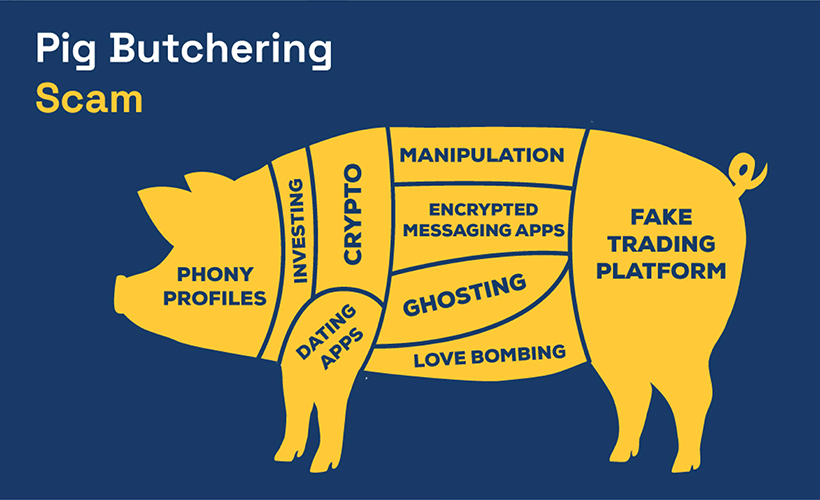
Another crime significantly transformed by AI is romance fraud. Specialists refer to this new form as “pig butchering 2.0”, an evolution of traditional romance scams used to convince victims to invest money in fraudulent platforms. Image credit: CyberPeace.
Phishing has also changed with AI
Artificial intelligence is not only transforming fake calls and videos—it has also radically changed phishing emails. For years, many fraudulent messages could be easily identified due to spelling errors, poor translations, or unnatural phrasing.
Now, language models generate texts that are virtually indistinguishable from real messages sent by banks, tech companies, or official services. This makes detecting fraud much more difficult, even for users with advanced digital security knowledge.
Why experts are concerned
What worries specialists most is that creating deepfakes or cloning voices is no longer expensive or complex. Today, free apps and online tools can perform these tasks in minutes.
Additionally, complete kits for generating fake identities, manipulated videos, and automated fraud campaigns are sold on underground forums.
The spread of these technologies is making digital scams increasingly difficult to detect. For experts, the main challenge will be finding verification methods and digital education strategies capable of keeping pace with artificial intelligence.
Links
- Protect yourself from AI scams – DFPI
- Sell pre-owned electronic device online – iGotOffer
The dark side of AI voice cloning [Video]
Video uploaded by Jeff Geerling on September 25, 2024.




Facebook
Twitter
RSS